

How Do You Take Care of Shrubs Year After Year?
If you’ve ever looked at your shrubs and wondered why they’re not filling in the way they used to or why new growth seems sparse, the answer is usually in how they’re being maintained season to season. Knowing how to take care of shrubs year after year makes all the difference between plants that thrive and ones that slowly decline. At Grato Property Care, serving homeowners across North Huntingdon, Irwin, Murrysville, and the Greater Pittsburgh area, we work with shrubs every single season and we want to share what actually works.
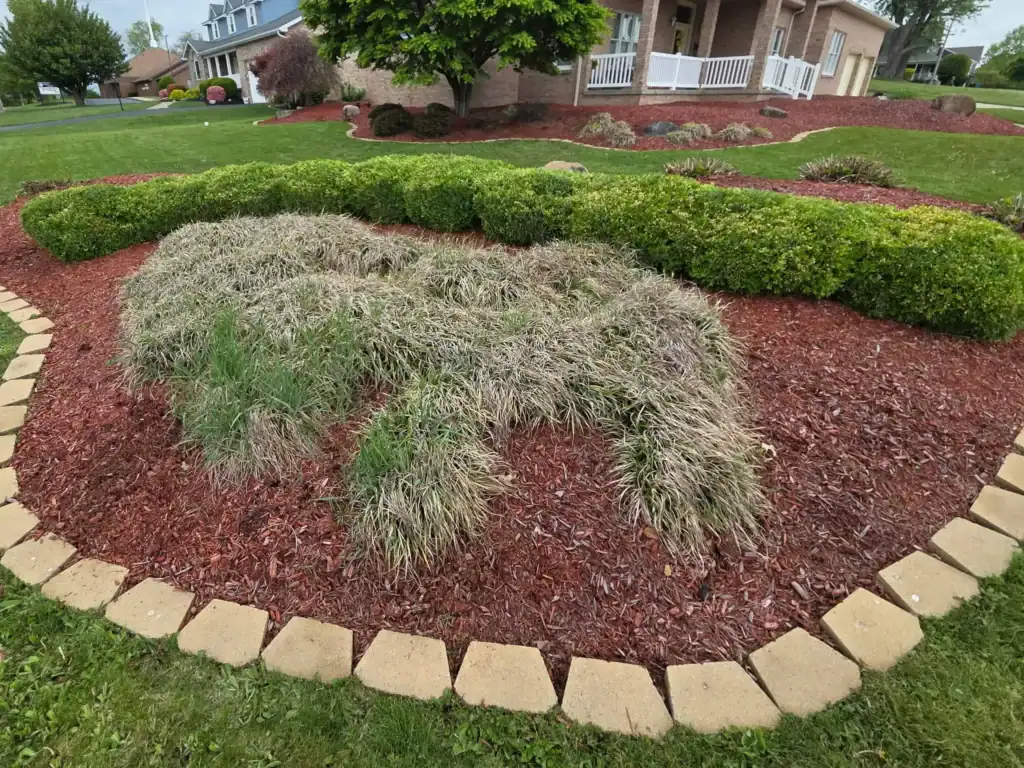

Watch Josh Walk Through It in Person
Before we get into the details, watch Josh break this down firsthand on a real residential property in North Huntingdon. He walks you through exactly what he looks for and what he does to set a shrub up for a strong season of growth.
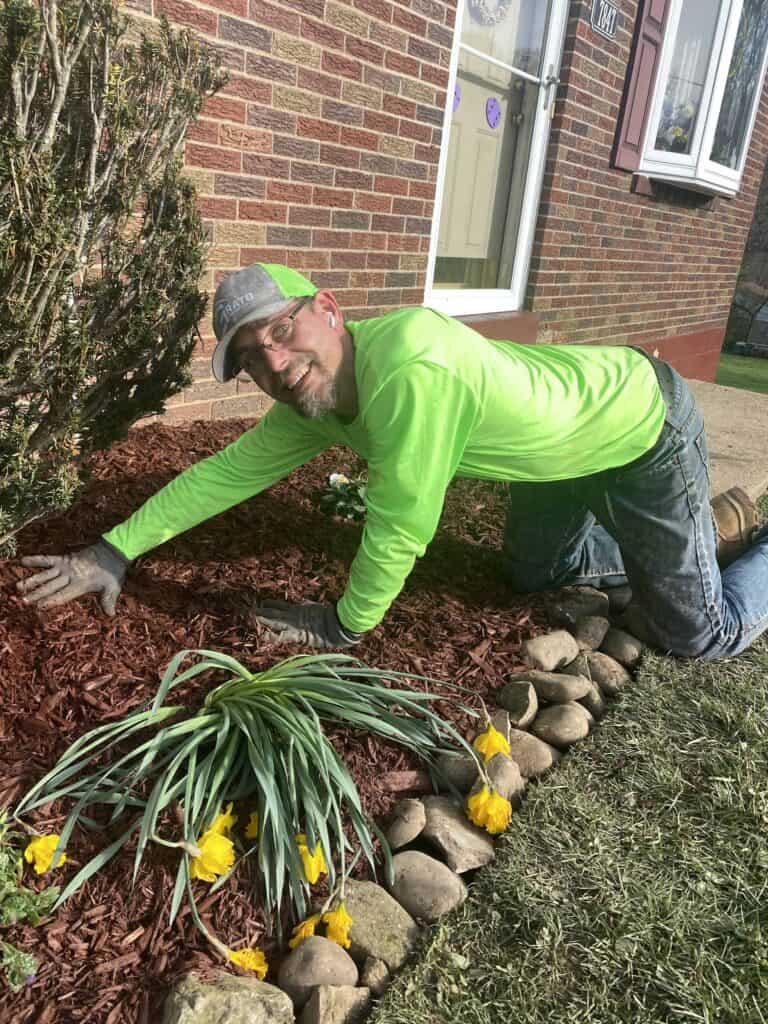
The Secret Is Building on Each Season's Work
Great shrub care is not a one-time event. The work you put in this year directly shapes how your shrubs grow next year. Here’s the approach our team uses on residential properties right here in Westmoreland County and Allegheny County.

Open Up Light Pockets to Encourage New Growth
One of the most important things you can do for established shrubs is selectively trim back older branches to create what's called light pockets. These are open spaces within the plant's canopy that allow sunlight to reach the interior.
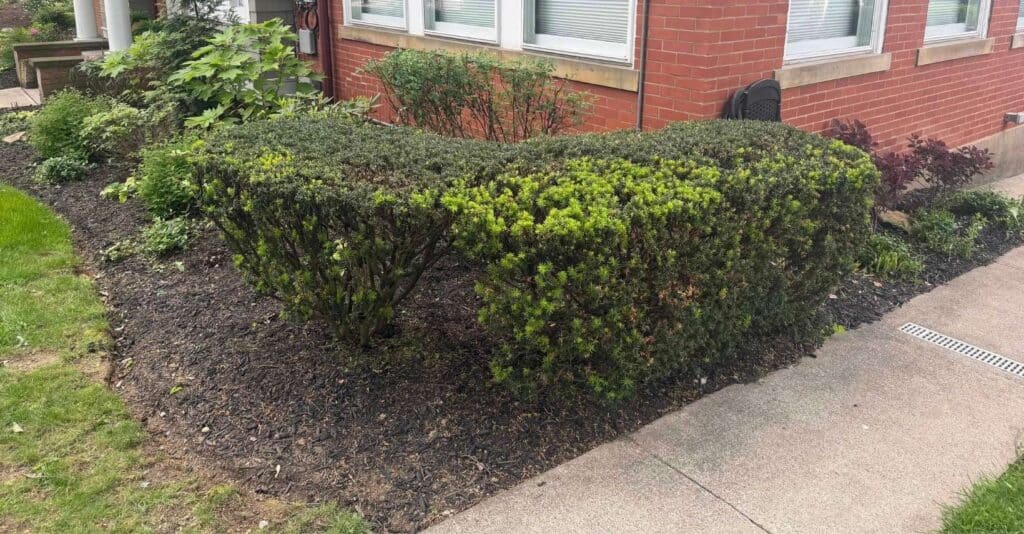
When Josh was recently out on a residential job in North Huntingdon, PA, he stopped at a shrub he had worked on the previous year. The difference was clear. Because those interior branches had been opened up, the plant had pushed strong new growth in areas that were previously shaded and dormant.
Shrubs that are only sheared on the outside tend to become woody and hollow in the center over time. By selectively removing certain branches rather than just trimming the surface, you give the whole plant a chance to regenerate from the inside out.
How to do it:
- Step back and look at the overall structure of the shrub before cutting anything
- Identify branches that are crossing, rubbing, or blocking light from reaching the center
- Make clean cuts at the base of those branches rather than just shortening them
- Aim for a natural, open shape rather than a perfectly manicured box
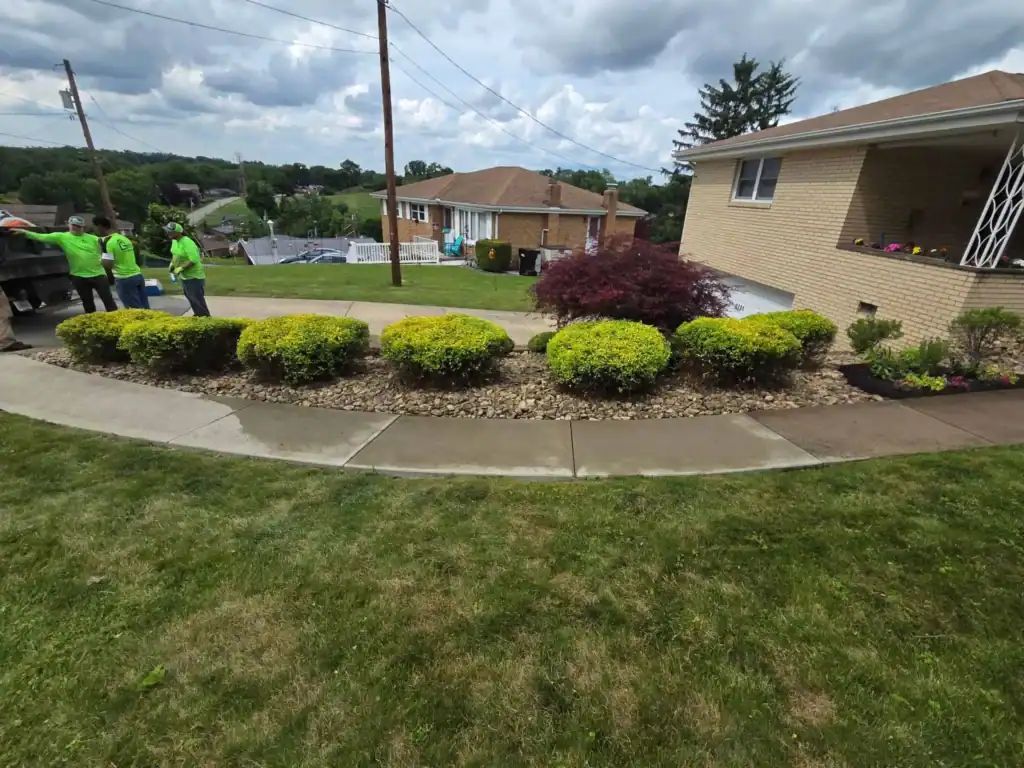

Trim at the Right Time of Year
One of the most common mistakes homeowners in the Pittsburgh suburbs make is trimming at the wrong time of year. Trim too late in the season and you risk cutting off the buds that would have become next year's flowers.
General timing guidelines:
- Spring-flowering shrubs (forsythia, lilac, azalea): Trim right after they finish blooming
- Summer-flowering shrubs (butterfly bush, rose of Sharon): Trim in late winter or early spring before new growth starts
- Evergreen shrubs (boxwood, holly, arborvitae): Best trimmed in late spring after the new flush of growth, or in early fall
Here in Western Pennsylvania, late spring tends to be the sweet spot for most maintenance trimming. The frost risk has passed but the summer heat hasn't set in yet.

Less Is More When It Comes to Cutting
There’s a tendency to want perfectly shaped, tight shrubs, but over-trimming year after year actually weakens plants. Removing too much foliage at once stresses the shrub and limits its ability to photosynthesize.
A good rule of thumb: never remove more than one-third of a shrub’s total growth in a single season. If a shrub has gotten significantly overgrown, bring it back gradually over two to three seasons rather than cutting it hard all at once.

Feed and Mulch for Long-Term Health
Trimming is only part of the picture. Shrubs also need proper nutrition and moisture retention to perform year after year, especially through the hot, dry summers and cold winters we get in Westmoreland County.
- Fertilize in early spring with a slow-release granular fertilizer suited to your shrub type
- Apply 2 to 3 inches of mulch around the base to retain moisture and regulate soil temperature. Keep it a few inches away from the stems to prevent rot
- Water deeply but infrequently during dry spells rather than light daily watering, which encourages shallow roots

Know What to Look for Between Trimmings
Healthy shrubs are far easier to maintain than stressed ones. Part of caring for shrubs year after year is knowing what to look for between visits.
Signs to watch for in North Huntingdon and surrounding areas:
- Yellowing leaves could indicate nutrient deficiency, overwatering, or poor drainage
- Dieback on branch tips is often a sign of fungal disease or winter damage
- Unusual spots or powdery coating are common fungal issues in our humid Pennsylvania climate
- Sparse growth on one side may point to soil compaction, root competition, or uneven sunlight

Why Grato Property Care Takes a Multi-Season Approach
The shrub Josh visited on that North Huntingdon job didn’t look great because of one perfect trim. It looked great because of consistent, thoughtful care over multiple seasons. Each year’s work built on the last, creating a plant with strong structure, healthy interior growth, and plenty of new buds ready to develop.
At Grato Property Care, we don’t just show up and shear. We pay attention to each plant’s history and make decisions that set it up for the next season.
Frequently Asked Questions About Shrub Care
How often should shrubs be trimmed?
Most shrubs do well with one to two trimmings per year. Spring and early fall are the most common times, though it really depends on the variety. The goal is to maintain shape and encourage new growth without over-cutting.
Is it okay to trim shrubs in the fall?
Light shaping in early fall is generally fine, but avoid heavy pruning late in the season. Cutting too much before winter can stimulate new growth that won’t have time to harden off before the cold hits, which can damage the plant.
Why are my shrubs not growing back after trimming?
A few things could be going on. The shrub may have been cut too far back, trimmed at the wrong time of year, or it may be dealing with a nutrient deficiency or disease. If a shrub is consistently slow to bounce back, it’s worth having someone take a look at the soil and overall plant health.
How do I know if my shrub needs to be replaced instead of maintained?
If a shrub has significant dieback, hollow woody centers with little to no new growth, or signs of disease that keep returning, it may be past the point of recovery. A fresh plant in good soil will often outperform years of trying to revive something that’s struggling.
Do shrubs in Western Pennsylvania need special care during winter?
Some do. Broadleaf evergreens like boxwood and holly can be susceptible to winter burn from cold winds and reflected sun off snow. A layer of burlap or an anti-desiccant spray applied in late fall can help protect them through a Westmoreland County winter.
How much mulch should I put around my shrubs?
Two to three inches is the right range. Too little and it won’t do much for moisture retention. Too much and you risk trapping excess moisture against the stems, which can cause rot. Keep the mulch a few inches back from the base of the plant.
A Quick Note Before You Head Out
These are general tips to get you pointed in the right direction. Every shrub is a little different, and what works for one variety may not be the best move for another.


